
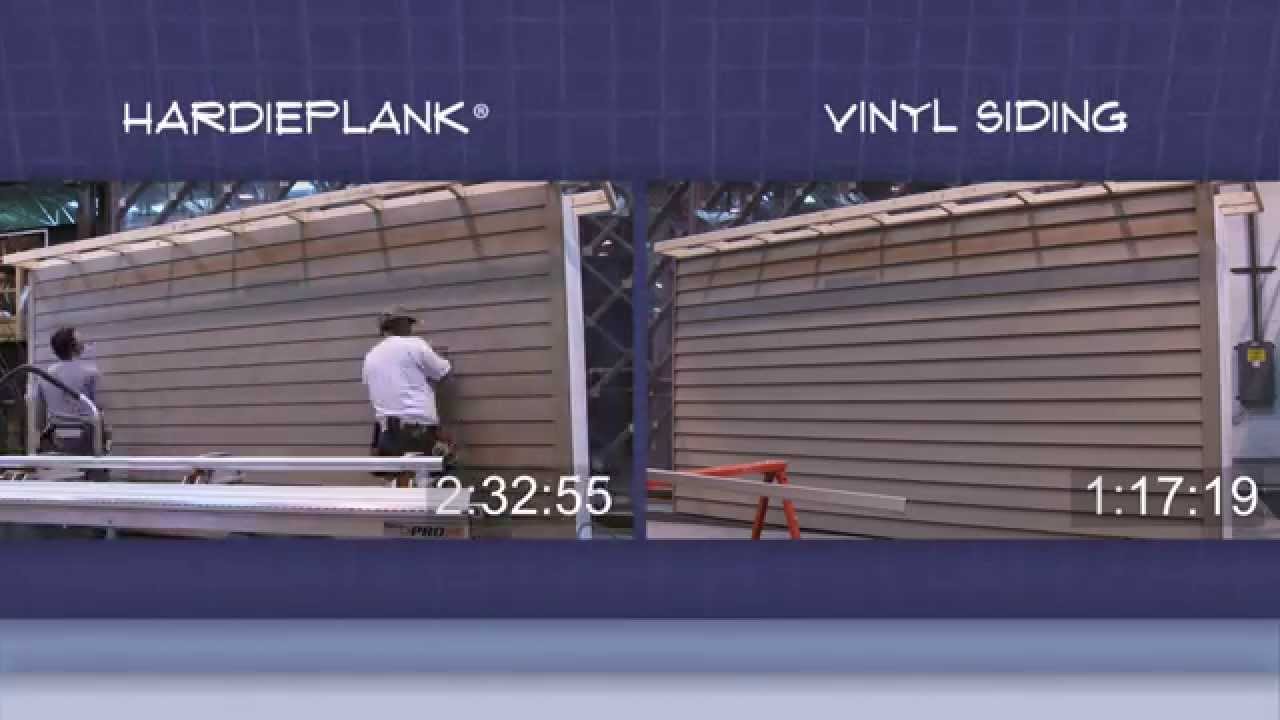
Cement siding lasts longer and costs more upfront than vinyl; vinyl is cheaper and easier to install.
I’ve spent years advising homeowners, installing cladding, and comparing materials. This guide on cement siding vs vinyl siding draws on hands-on experience, industry facts, and buyer psychology. Read on to learn which option fits your budget, climate, style, and long-term goals so you can pick with confidence.

Quick definitions and why the comparison matters
Cement siding vs vinyl siding is a common choice for homeowners updating a home's exterior. Cement siding is typically fiber cement. It blends cement, sand, and cellulose fibers. Vinyl siding is a plastic-based product made from PVC. Both protect the structure and shape curb appeal. Choosing the right one affects cost, lifespan, maintenance, and energy use. I’ll break each factor down so you can decide.
Cost and long-term value
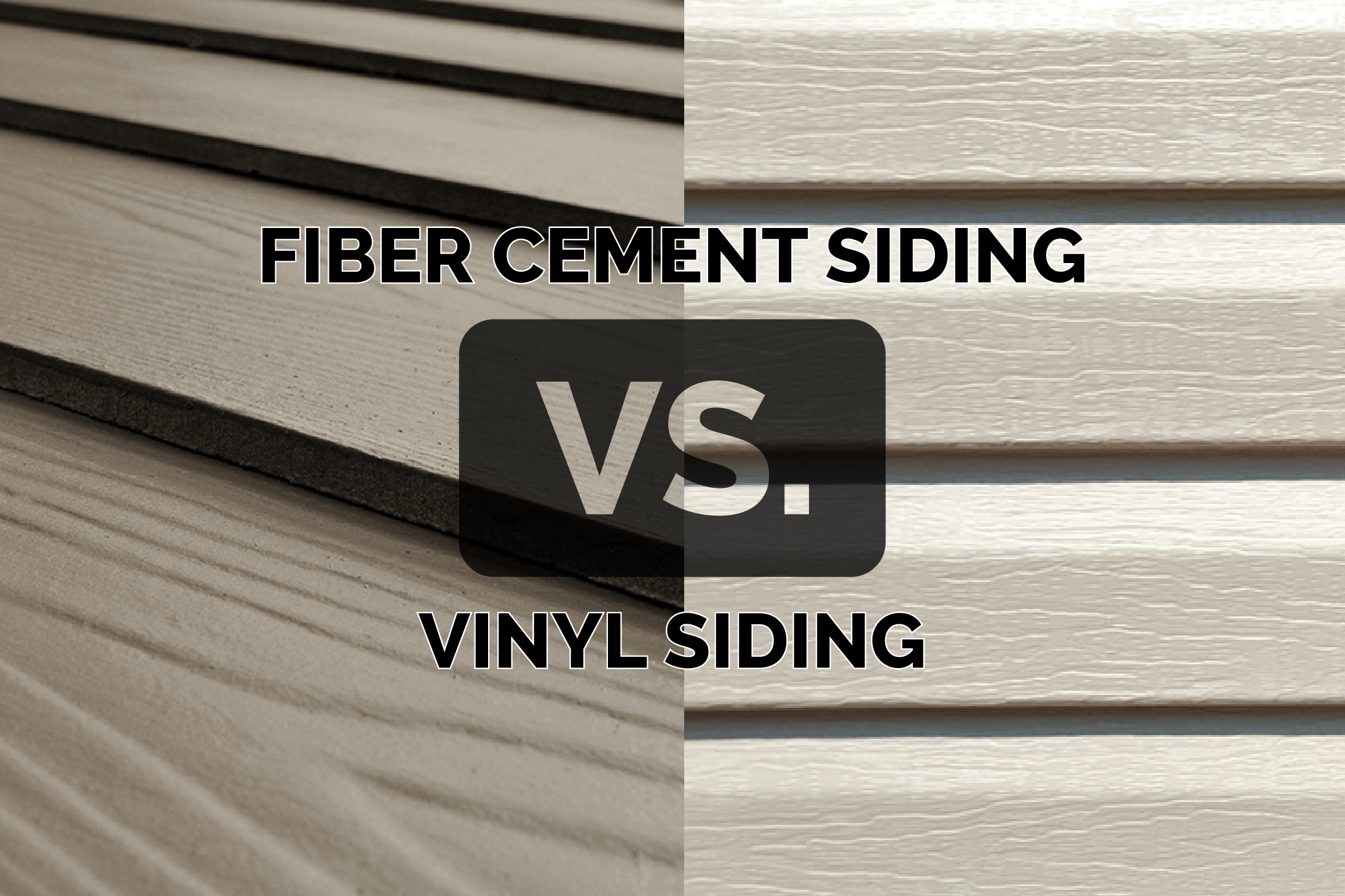
Cost is often the first concern when comparing cement siding vs vinyl siding. Upfront costs for cement siding are higher. Installation is more labor intensive and requires special tools. Vinyl siding is one of the cheapest cladding options on the market. It installs quickly and reduces labor costs.
Long-term value favors cement siding in many climates. It resists dents, fire, and rot better than vinyl. That durability can mean fewer repairs and longer replacement cycles. Vinyl may need replacement sooner, but initial savings can be attractive.
Durability and lifespan
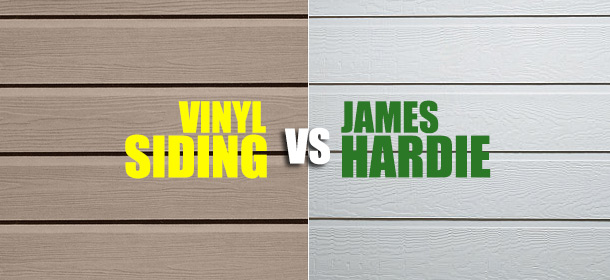
Durability separates cement siding vs vinyl siding in real-world use. Cement siding lasts 30 to 50 years or more when installed correctly. It resists termites, rot, and high heat. Vinyl siding typically lasts 20 to 40 years depending on material quality and UV exposure. Vinyl can crack in extreme cold and fade over time.
If you live in a windy, fire-prone, or termite-heavy area, cement siding often performs better. For mild climates with less risk, vinyl can offer acceptable longevity at a lower cost.
Maintenance and repair needs
Maintenance differences matter for busy homeowners. Cement siding vs vinyl siding requires different routines. Cement siding may need periodic painting every 10 to 15 years to refresh color and seal joints. It also needs caulking checks and occasional patching.
Vinyl siding is low maintenance. It rarely needs painting. A simple wash once or twice a year removes dirt and mildew. Repairs to vinyl are quick but visible; replacing a section can create color mismatch as panels fade.
Appearance and style options
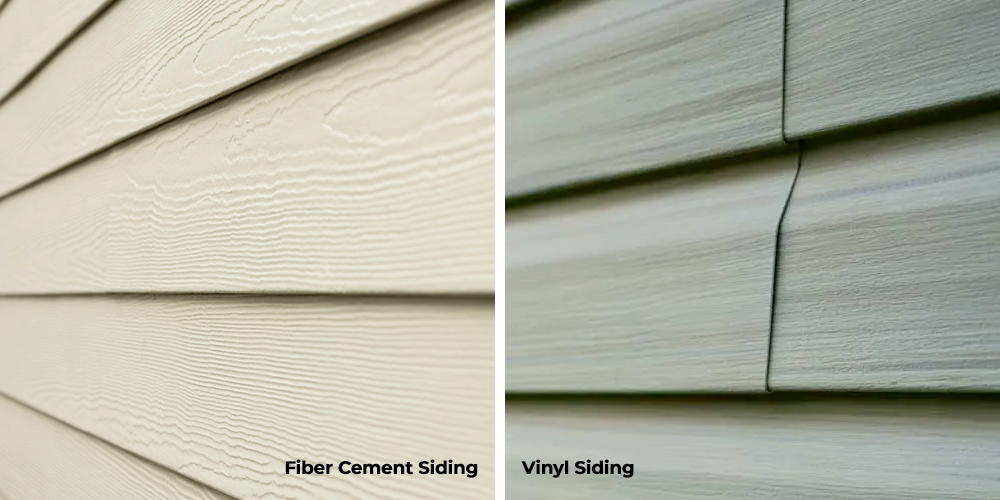
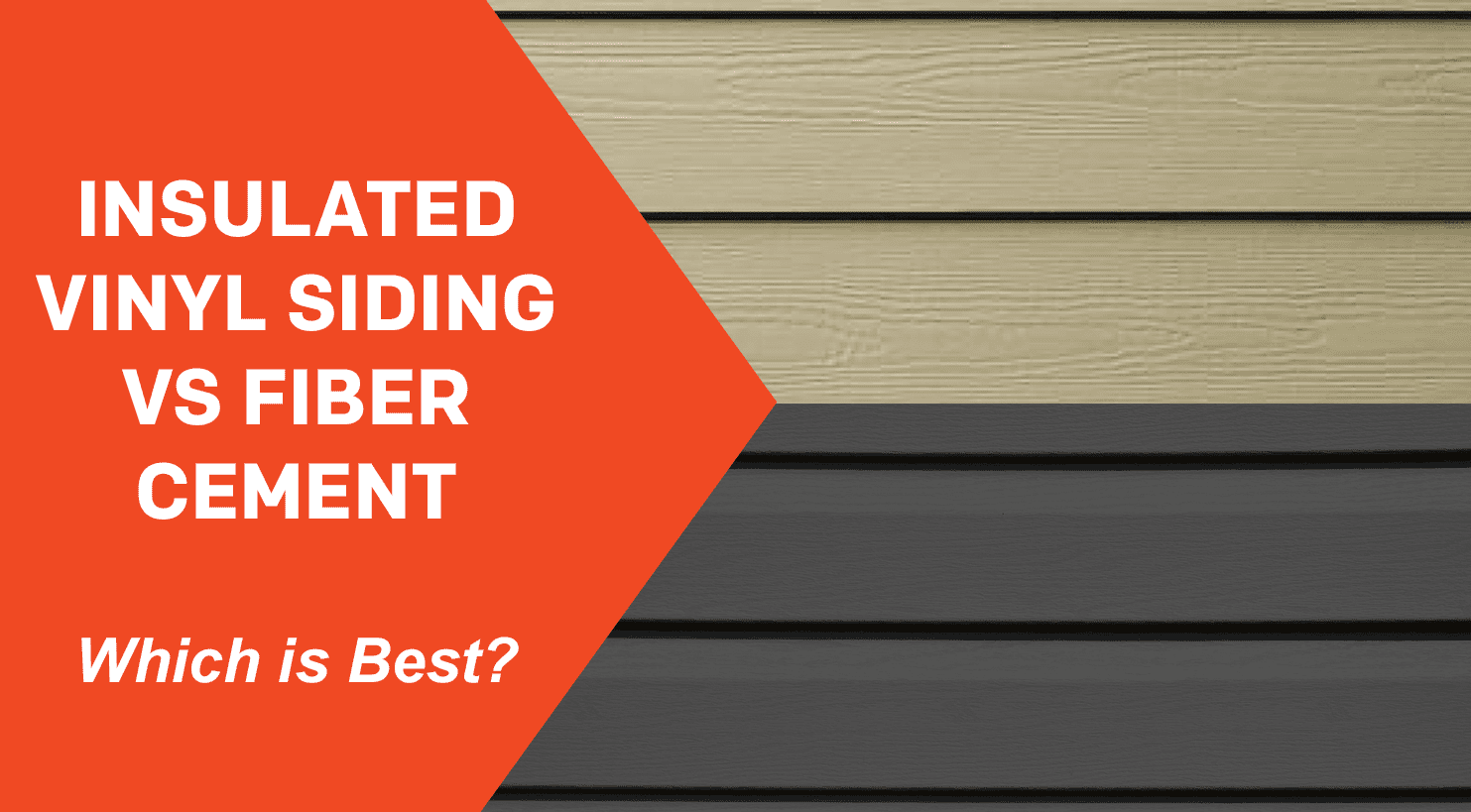
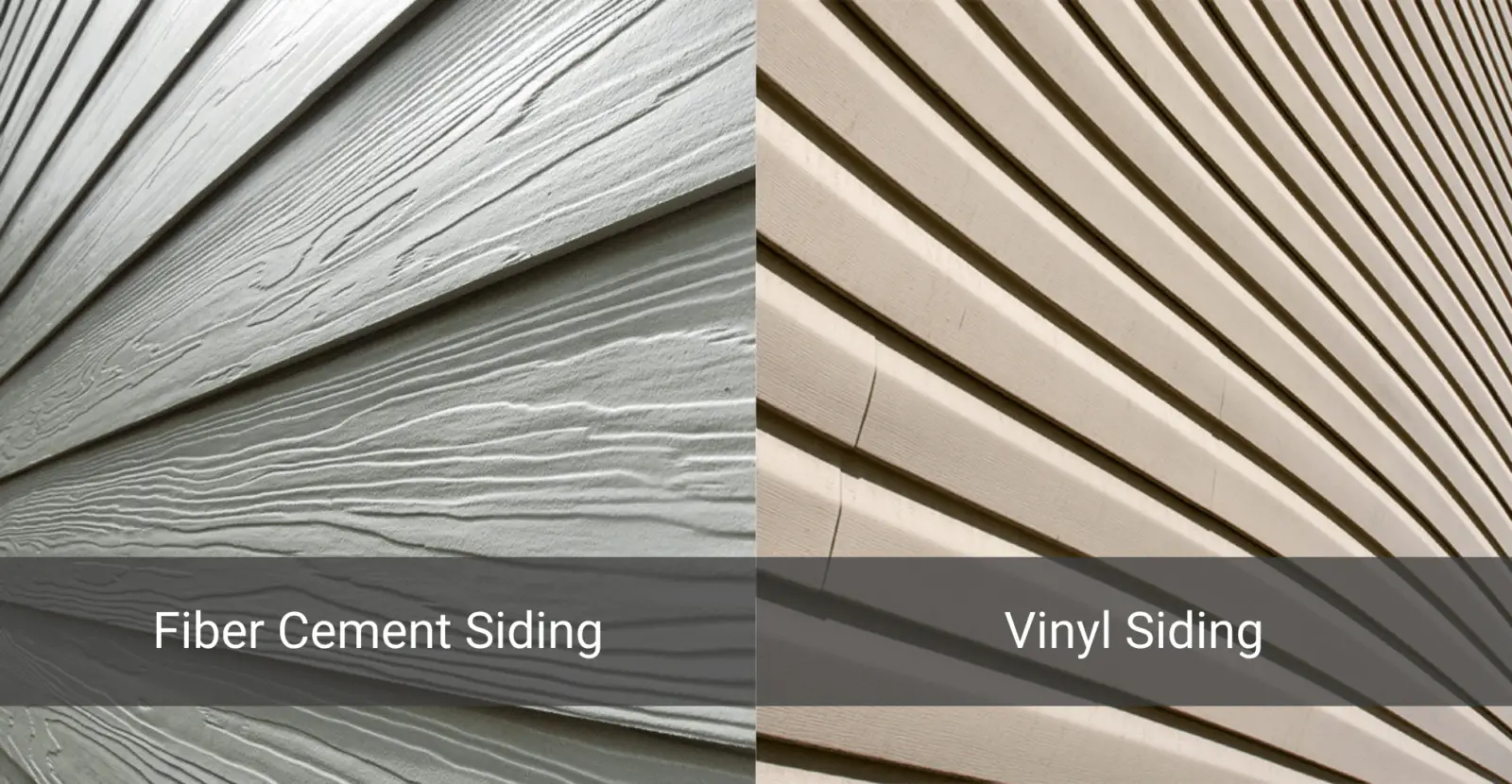
Curb appeal is about the finished look. Cement siding vs vinyl siding offers distinct aesthetics. Cement siding mimics wood grain, shakes, and stucco. It provides a high-end, natural appearance. Painters can achieve many colors and finishes.
Vinyl siding comes in many colors and textures too. It now includes styles that emulate wood lap, board-and-batten, and shingles. However, vinyl’s seams and panel lines are more visible than cement’s crisp edges.
Installation considerations
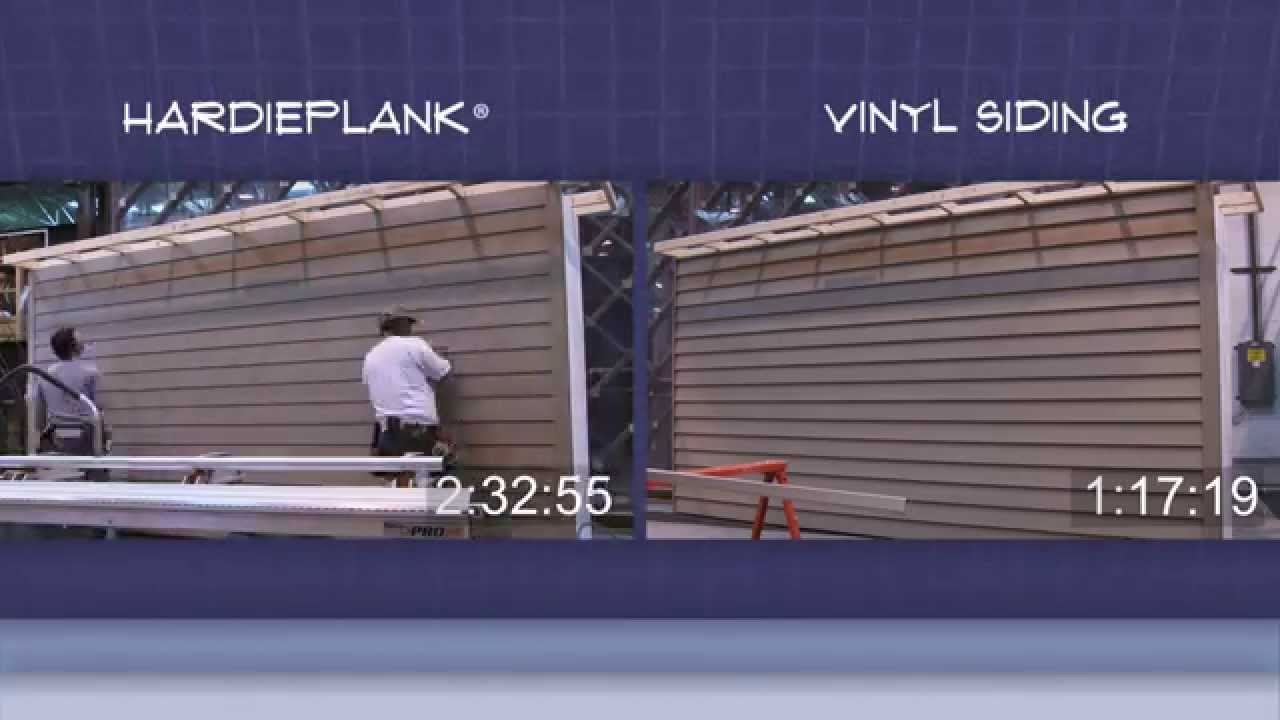
Installation affects timeline and cost in the cement siding vs vinyl siding debate. Cement siding installation is slower. Installers need to cut, nail, and seal each panel precisely. Proper flashing and breathable house wrap are essential.
Vinyl siding installs faster. Panels lock into trim with a nailable flange. For DIYers, vinyl is more forgiving. For professionals, cement requires skill and heavier tools. Factor installation expertise into your budget and schedule.
Energy efficiency and insulation
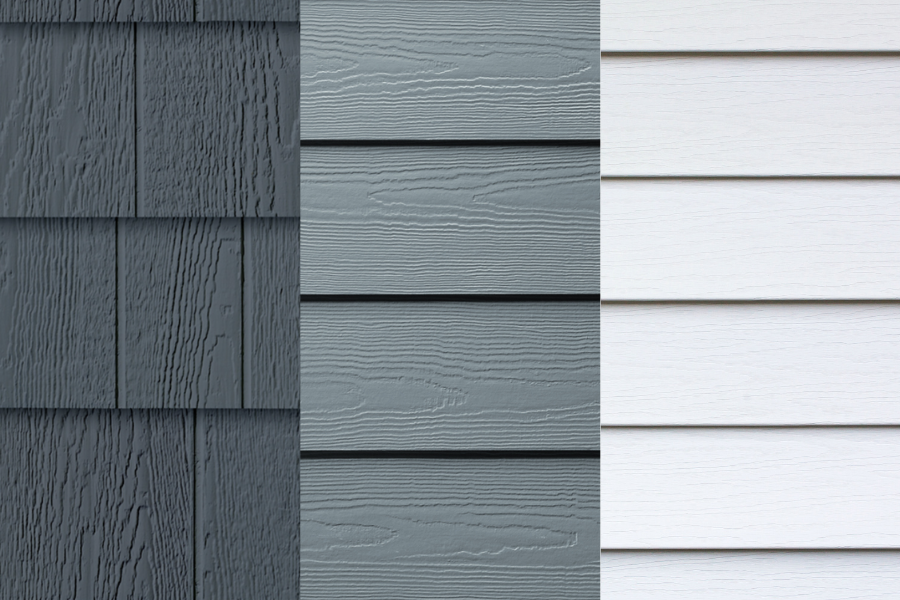
Energy performance is part of the comparison. Cement siding vs vinyl siding alone has limited insulating value. Both rely on house wrap and core insulation for thermal performance. However, insulated vinyl panels exist and can slightly boost R-value and reduce sound transmission.
Cement siding holds paint and finishes that reflect heat well when chosen correctly. In many cases, the final energy impact depends more on underlayment and attic insulation than the siding material itself.
Environmental impact and sustainability
Sustainability can shape your choice. Cement siding uses mineral and fiber components and requires energy to produce. It lasts long, which reduces replacement waste. Vinyl siding is petroleum-based and not biodegradable. It consumes fewer resources to manufacture and transport due to lighter weight. End-of-life recycling is limited but improving.
If long service life and minimal replacement are priorities, cement siding often has the edge. If lower production energy and lighter transport matter, vinyl can look favorable.
Warranties and resale value
Warranties differ and affect risk. Cement siding manufacturers offer long-term warranties, often transferable. Proper installation matters to keep the warranty valid. Vinyl siding manufacturers also offer warranties, but paint fade and warping claims can be limited.
On resale value, cement siding can be a selling point. Buyers often see fiber cement as higher-end. Vinyl is acceptable and can still boost curb appeal, but in upscale neighborhoods, cement siding may fetch higher resale premiums.
How to choose: practical decision checklist
Use a short checklist when choosing cement siding vs vinyl siding.
- Consider budget. Estimate material plus labor for both options.
- Evaluate climate. Pick cement for fire, humidity, and pests.
- Think about maintenance. Choose vinyl for lower routine upkeep.
- Match neighborhood expectations. Select cement for high-end appeal.
- Factor timeline. Use vinyl to speed up renovation projects.
- Consult local pros. Get bids from contractors experienced with both materials.
My experience, tips, and mistakes to avoid
I’ve overseen projects with both cement siding vs vinyl siding. A few lessons I learned:
- Always inspect the sheathing and framing before installing siding to avoid hidden rot.
- For cement siding, use corrosion-resistant nails and follow manufacturer spacing. Mistake: rushing fasteners causes cracks.
- For vinyl, pick thicker panels and a reputable brand to reduce warping. Mistake: buying the cheapest thin panels leads to bowed walls.
- Hire a pro for cement siding unless you have carpentry experience.
- Keep records of manufacturer warranties and installation receipts for resale.
People also ask
Which siding type is more fire resistant?
Cement siding is more fire resistant than vinyl because it contains noncombustible materials. Vinyl can melt and deform at high temperatures.
Does cement siding need painting?
Yes, cement siding often needs painting every 10 to 15 years to refresh color and protect joints. Proper primers and exterior paints extend its life.
Can I install vinyl siding myself?
Yes, many homeowners can install vinyl siding themselves if they follow instructions and use the right tools. Complex trim or uneven walls may still require a pro.
Frequently Asked Questions of cement siding vs vinyl siding
What is the average lifespan of cement siding vs vinyl siding?
Cement siding typically lasts 30 to 50 years or longer with proper care. Vinyl siding usually lasts 20 to 40 years depending on quality and exposure.
Which siding is better for coastal areas?
Cement siding is generally better in coastal areas because it resists salt, wind, and rot. Use corrosion-resistant fasteners and proper sealing.
How do maintenance costs compare?
Maintenance costs for cement siding can include periodic painting and minor repairs. Vinyl requires low maintenance and mainly cleaning, making ongoing costs lower.
Will cement siding crack in freezing weather?
Cement siding can crack if installed improperly or if water gets behind panels and freezes. Proper flashing and caulking minimize that risk.
Which siding option increases home resale value more?
Cement siding tends to increase resale value more in mid to high-end markets due to its durable, high-quality appearance. Vinyl still improves curb appeal but may not add as much value.
Conclusion
Choosing between cement siding vs vinyl siding comes down to priorities: budget, longevity, maintenance, and style. Cement siding offers long life, fire resistance, and a premium look. Vinyl siding offers lower upfront cost, easier installation, and simple upkeep. Use the checklist above, get a few bids, and match your choice to climate and long-term plans. Take action now: schedule contractor quotes, compare warranties, or request sample boards to see how each material looks on your home. Share your project details or questions in the comments to get tailored advice.