
Asbestos siding is hazardous; cement fiber siding is safer, more durable, and easier to maintain.
I’ve spent years working on home renovations and exterior repairs, so I know the practical trade-offs between asbestos siding vs cement fiber siding. This article breaks down definitions, health and safety, costs, installation, maintenance, and real-world tips so you can make a confident choice for your home.
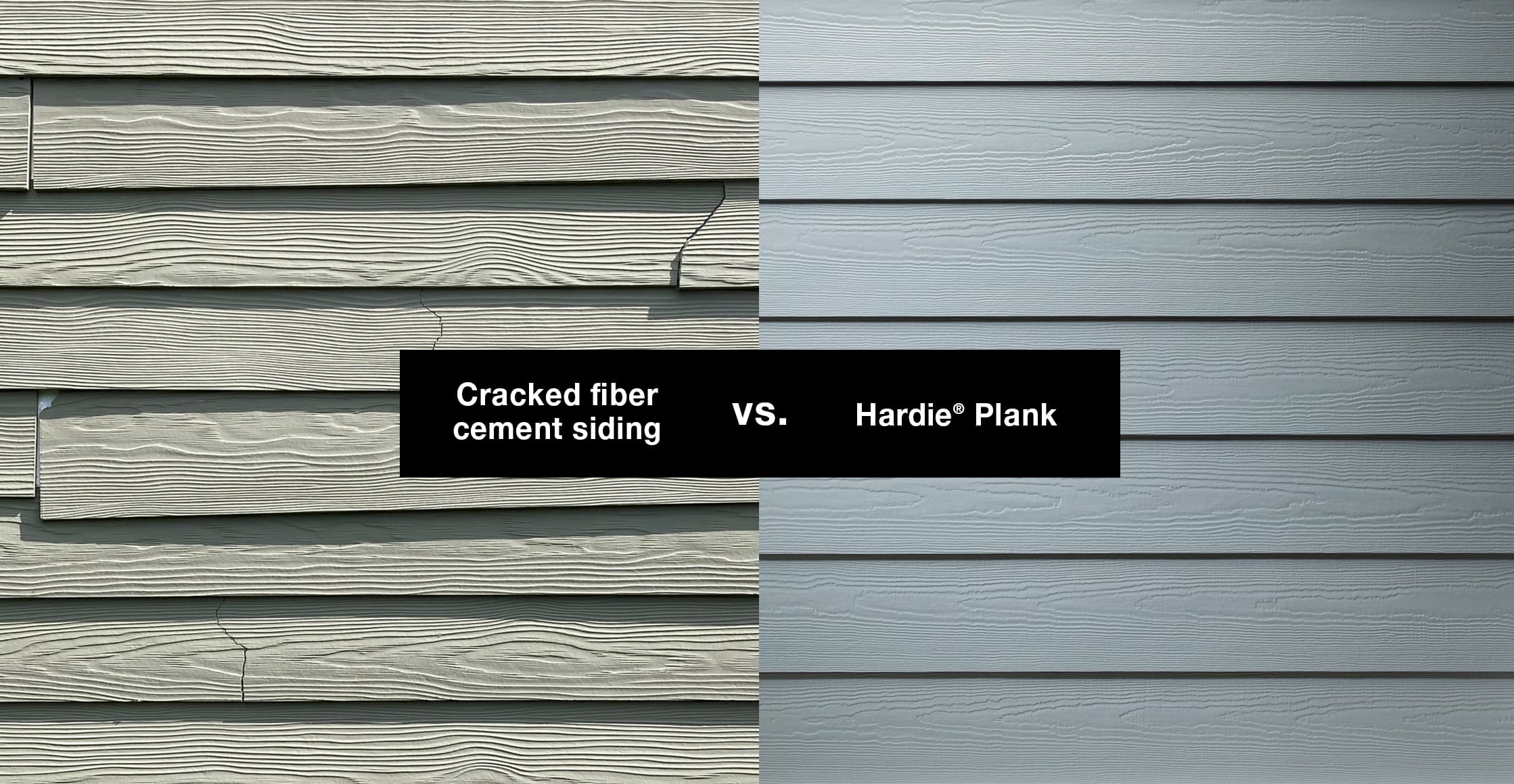
What is asbestos siding?
Asbestos siding refers to exterior panels made with cement mixed with asbestos fibers. It was popular from the 1920s to the 1970s because it resisted fire, insects, and rot. Asbestos siding can last for decades if undisturbed, but its fibers become dangerous when the material is damaged or cut.
Health and legal issues shape how homeowners handle asbestos siding. In many places, removal must follow strict rules. Encapsulation is sometimes allowed if the siding is in good condition and left undisturbed.
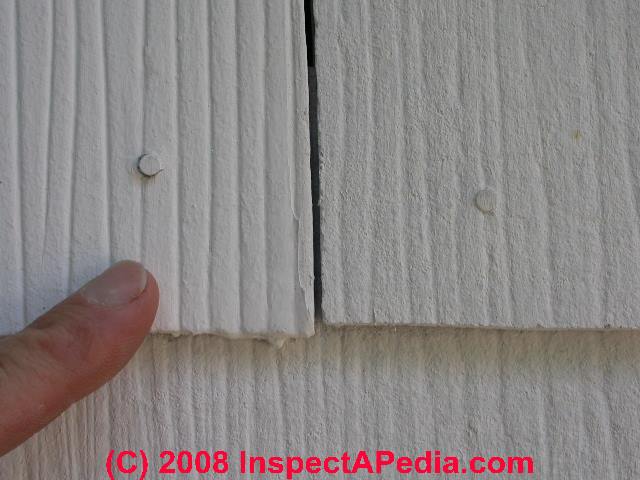
What is cement fiber siding?
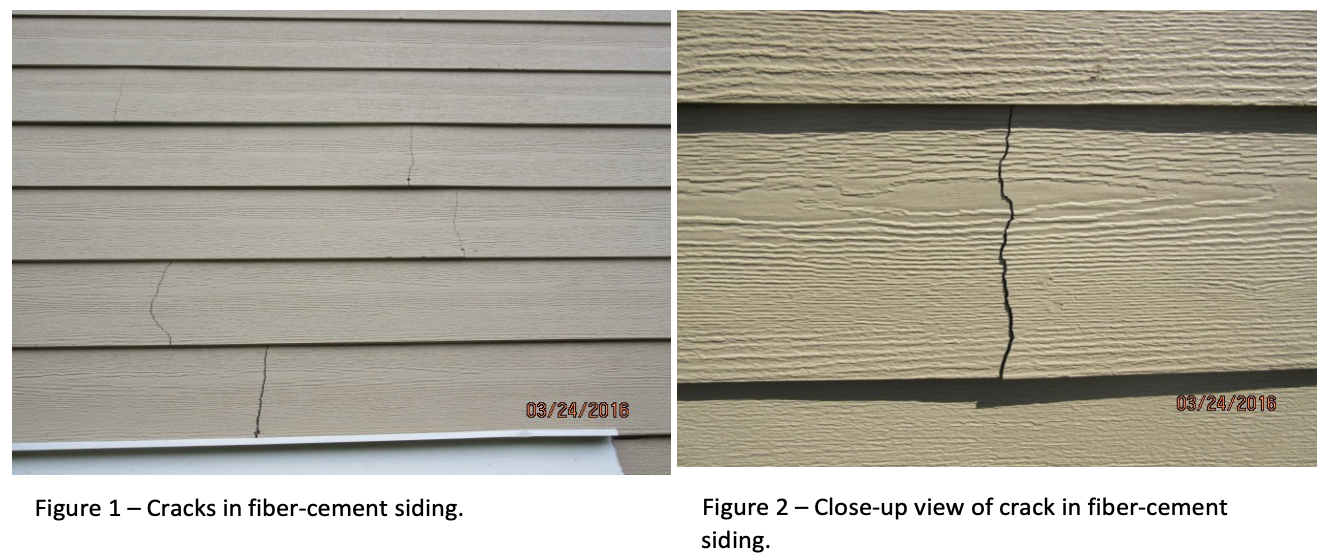
Cement fiber siding, often called fiber cement siding, is a modern product made from cement, sand, and reinforcing cellulose fibers. It mimics wood, stucco, or masonry textures and resists rot, insects, and fire without using asbestos. Fiber cement is produced to tight manufacturing standards and comes pre-primed or pre-finished.
Fiber cement siding is designed for long service life with low maintenance. It accepts paints well and offers design flexibility for many home styles.
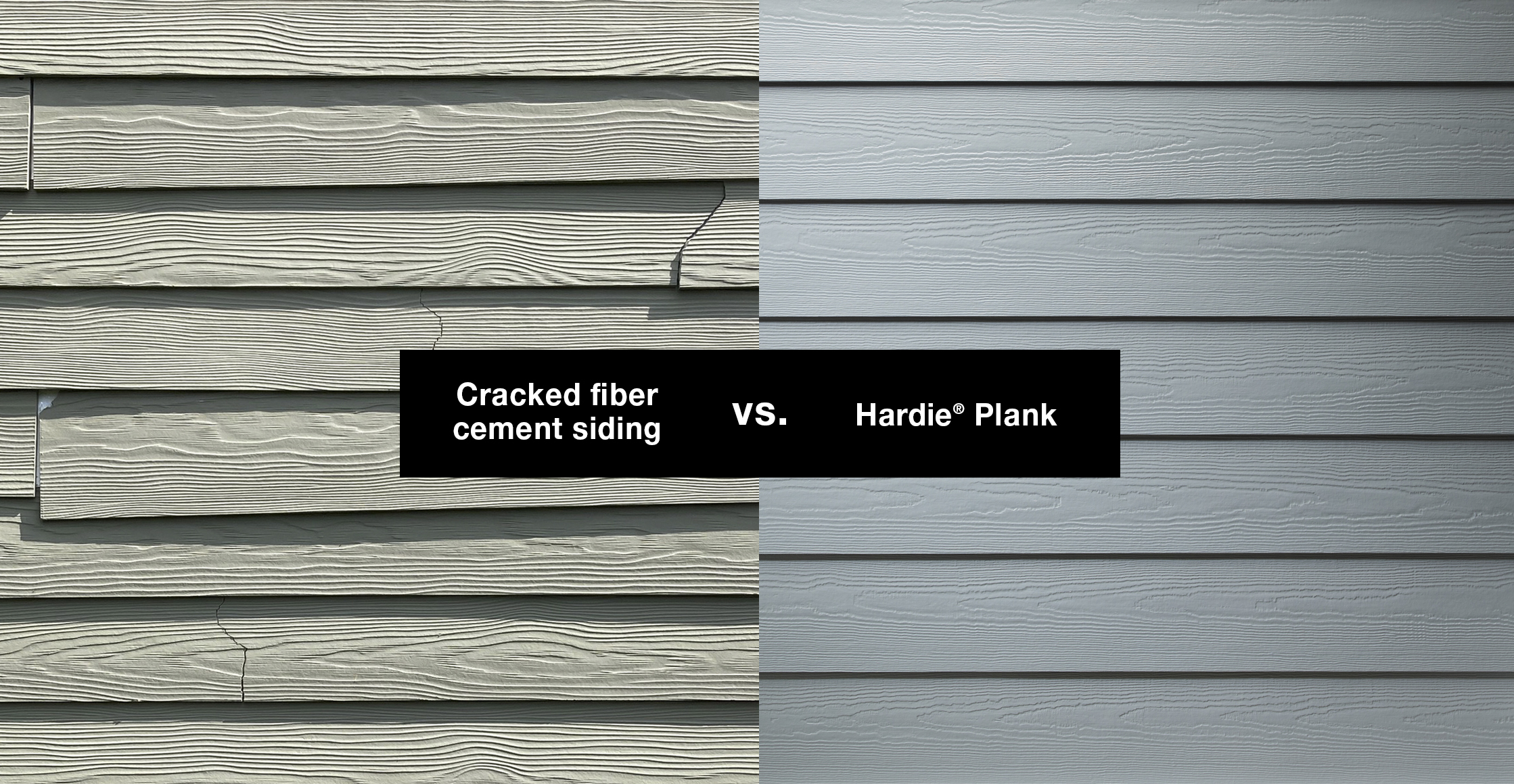
Head-to-head comparison: asbestos siding vs cement fiber siding
Below are the main factors to weigh when comparing asbestos siding vs cement fiber siding. Each point is short and clear so you can scan quickly.
Durability and lifespan
- Asbestos siding can last 40 to 80 years if undisturbed and properly maintained.
- Cement fiber siding typically lasts 30 to 50 years, depending on climate and installation.
- Both resist rot and insects better than wood, but fiber cement has more predictable, modern manufacturing tolerances.
Health and safety
- Asbestos siding releases dangerous fibers when cut, sanded, or broken. Exposure can cause lung disease and cancer. Take any asbestos presence seriously.
- Cement fiber siding contains no asbestos and poses no related inhalation risk during normal work. Standard dust control is sufficient during cutting.
Installation and handling
- Asbestos siding must be treated by licensed professionals for removal or invasive repairs. Encapsulation may allow leaving it in place.
- Cement fiber siding can be installed by skilled carpenters or DIYers using appropriate safety gear. Cutting produces silica and cellulose dust; use a mask and dust control.
Cost and value
- Asbestos siding itself might be inexpensive historically, but safe removal raises costs dramatically.
- Cement fiber siding has higher upfront material cost than basic vinyl but provides long-term value through durability and curb appeal.
- When comparing asbestos siding vs cement fiber siding, factor in potential asbestos abatement costs and resale implications.
Maintenance and repairs
- Asbestos siding is low-maintenance if intact, but repairs that disturb the material require specialist work.
- Cement fiber siding needs periodic painting or caulking but repairs are straightforward and less risky.
Appearance and customization
- Asbestos siding typically comes in shingle or panel styles common in older homes.
- Cement fiber siding offers many textures and modern color options, allowing easier matching to current design trends.
Environmental impact
- Asbestos mining and use had severe health impacts; disposal requires controlled landfills.
- Cement fiber production has a carbon footprint due to cement, but it avoids the public health disaster linked to asbestos. Recyclability is limited but safer to handle.
People also ask
Q: Is asbestos siding dangerous if left alone?
A: If complete and undamaged, asbestos siding may pose low immediate risk. Avoid cutting or sanding it.
Q: Can fiber cement replace asbestos siding directly?
A: Yes. Fiber cement can be installed over sheathing after asbestos removal or, in some cases, over encapsulated surfaces following local rules.
Q: Will insurance cover asbestos removal?
A: Coverage varies. Some policies exclude asbestos abatement, so check your policy and local regulations.
Regulations, removal, and disposal
Rules for asbestos handling vary by jurisdiction. Many areas require licensed abatement contractors for removal. Disposal must go to approved landfills, and paperwork may be required. Encapsulation or leaving siding intact is sometimes permitted if it remains undamaged.
For cement fiber siding, disposal is simpler. Cuttings should be collected to reduce dust and disposed of as construction waste according to local rules.

How to choose between asbestos siding vs cement fiber siding
Use this checklist to decide:
- If your home currently has asbestos siding, test before you disturb it.
- If asbestos is present and in good condition, consider encapsulation or non-invasive repairs when allowed.
- If you want a modern, low-maintenance finish with design options, fiber cement is usually the best choice.
- If resale and safety are priorities, removing asbestos and replacing with fiber cement offers peace of mind and market value.
Also consider climate, paint preferences, budget, and whether you plan to do DIY work. Always get multiple quotes from licensed contractors.

My experience and practical tips
I’ve overseen several re-siding projects. Once, a house with asbestos siding sat in good condition for decades. The owner chose encapsulation and later sold the home after full disclosure. Another client removed asbestos and replaced it with fiber cement; the renovation increased curb appeal and eased sale negotiations.
Lessons learned:
- Always test suspect siding early in project planning.
- Budget for abatement when asbestos is present.
- Use contractors with proof of insurance and licensing.
- For fiber cement, use a circular saw with a dust collection bag and wear an N95 or better mask.
Cost comparison and return on investment
Short summary:
- Asbestos siding removal adds a major cost variable. Abatement can exceed siding replacement costs in some cases.
- Fiber cement has higher material and installation costs than vinyl, but it reduces long-term maintenance and can increase resale value.
- When calculating ROI, include health safety, buyer perception, and future maintenance savings.

Frequently Asked Questions of asbestos siding vs cement fiber siding
What is the main difference between asbestos siding vs cement fiber siding?
Asbestos siding contains asbestos fibers and poses health risks when disturbed. Cement fiber siding uses cellulose or synthetic fibers and is made without asbestos, making it safer to handle.
Can I paint over asbestos siding?
Yes, painting intact asbestos siding can seal fibers and extend appearance, but you must avoid sanding or scraping. For major work, consult a professional.
Is fiber cement siding better than asbestos for resale?
Yes. Fiber cement is modern, safer, and preferred by buyers. Removing asbestos often improves marketability and reduces inspection concerns.
How do I know if my siding has asbestos?
Testing is the only reliable method. A certified lab can analyze a small sample collected by a professional to confirm asbestos presence.
Can asbestos siding be left in place when installing new siding?
Sometimes. Local regulations vary; encapsulation or installing new siding over existing panels may be allowed if the asbestos is intact and handled correctly.
Conclusion
Choosing between asbestos siding vs cement fiber siding comes down to safety, costs, and long-term goals. If asbestos is present, prioritize safe testing and follow local regulations for abatement or encapsulation. For new installations or replacements, cement fiber siding offers a safer, durable, and attractive option that often pays off over time.
Take action now: test suspect siding, get licensed contractor quotes, and weigh health and resale impacts before deciding. If this helped you, share your experience or ask a question below — I’ll respond with practical advice.