
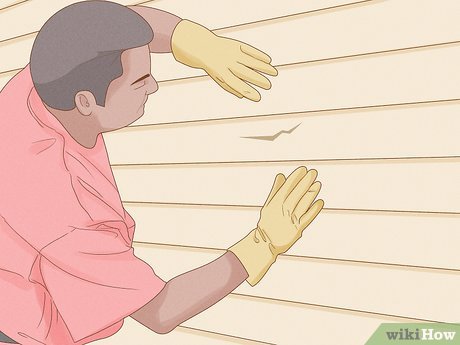
Use a low-pressure washer, mild cleaner, and a steady 2–3 foot distance to safely clean vinyl siding.
I’ve cleaned hundreds of homes and taught pros and DIYers how to power wash vinyl siding safely and effectively. This guide walks you through equipment, step-by-step methods, safety tips, troubleshooting, and maintenance. I’ll share tested pressure settings, detergent mixes, and real-world lessons so you can restore vinyl siding without warping or streaking. Read on to master how to power wash vinyl siding with confidence and care.

Why power wash vinyl siding?
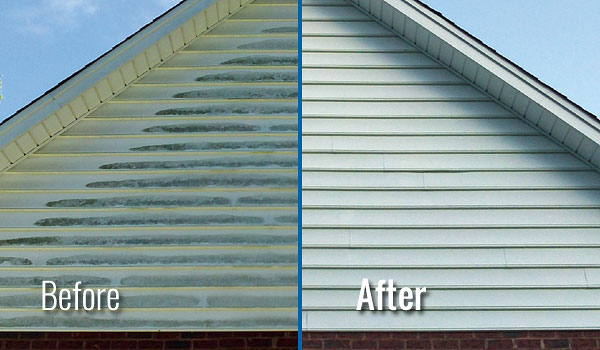
Power washing removes dirt, mildew, pollen, and grime that dull vinyl siding. A proper wash restores curb appeal and prevents ongoing moisture damage where mold can grow.
Cleaning also helps you spot damage early. When I inspect houses, clean siding often reveals loose caulk, cracked trim, and faded areas that need small repairs. Keeping vinyl clean extends its life and keeps the home looking newer.
When to power wash vinyl siding
Do this job in mild weather. Avoid very hot, icy, or windy days. Direct sun can make cleaners dry too fast and leave streaks.
Plan to wash when siding is visibly dirty, after pollen season, or before painting or selling. I recommend annual washing in humid climates. Doing it every year prevents heavy buildup that needs stronger treatment.
How often should I wash my siding?
Most homes benefit from a yearly wash. Homes near trees or water may need two cleanings per year.
Is it OK to power wash after winter?
Yes. Spring is ideal for removing winter grime and checking for freeze damage.
Tools and materials you’ll need
Choose the right gear for safe, effective results.
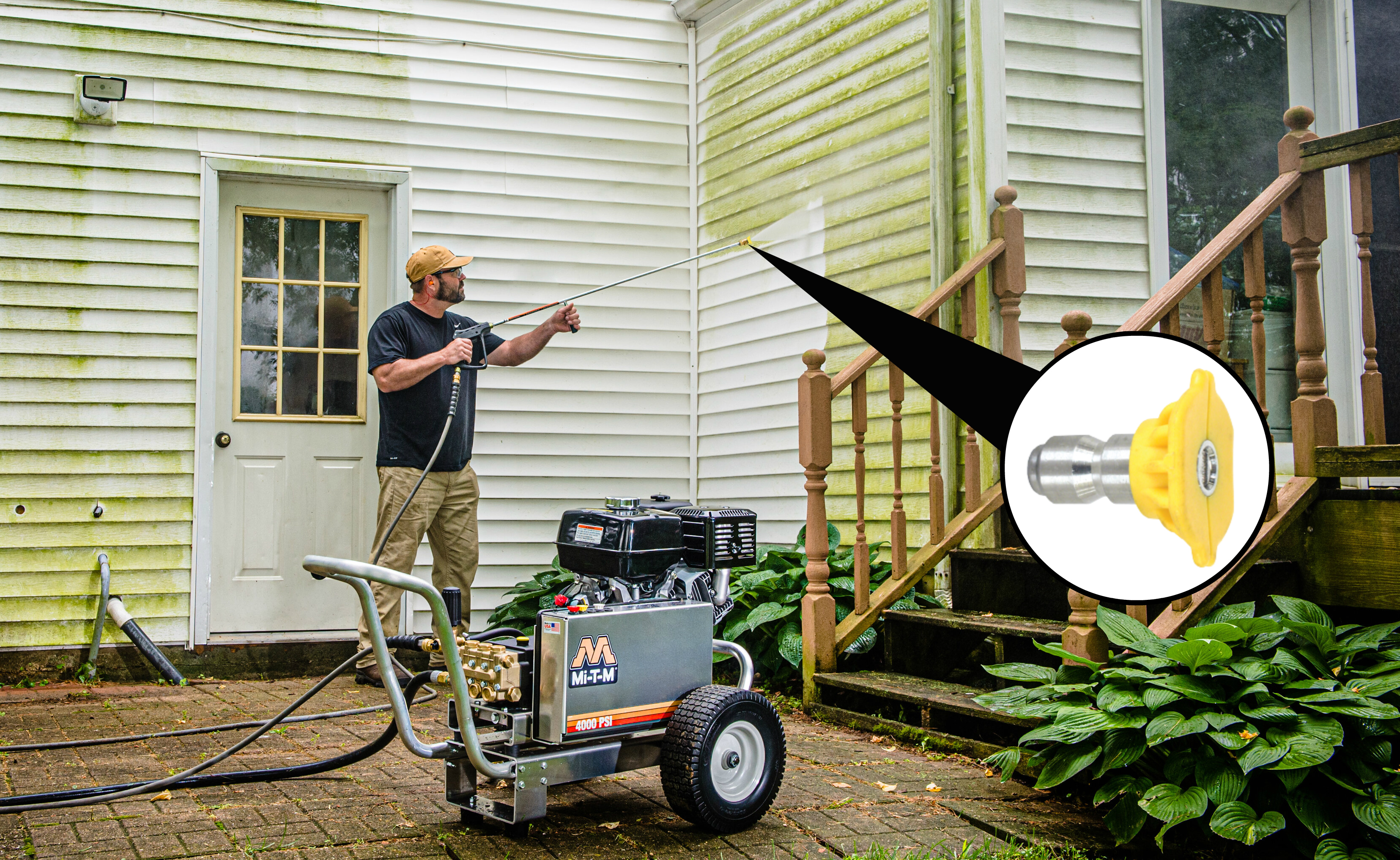
- Pressure washer with adjustable pressure and a 20° or 25° nozzle. Use a unit capable of 500–1500 PSI for vinyl siding.
- Soft-wash pump or low-pressure sprayer for detergent application.
- Cleaning solution: oxygen bleach or a mild siding detergent. Mix per label directions.
- Garden hose, extension wand, and telescoping pole for high areas.
- Safety gear: goggles, gloves, non-slip shoes, ear protection.
- Ladder stabilizer and helper if you must use a ladder.
- Caulk, touch-up paint, and rags for post-clean repairs.
From experience, a simple electric washer at 1200 PSI and a 25° nozzle works best for most vinyl. Higher PSI risks warping. Always have a test bucket and a small area to test your mix.
Step-by-step: how to power wash vinyl siding
Follow these steps in order. Keep actions slow and steady.
-
Inspect and prep
- Close windows and remove outdoor furniture near work zones.
- Cover electrical outlets and plants with plastic if using bleach-based cleaners.
-
Test a small area
- Use the washer at the recommended pressure on an inconspicuous area.
- Check for paint lift, warping, or siding separation.
-
Pre-rinse
- Rinse siding top to bottom to remove loose debris.
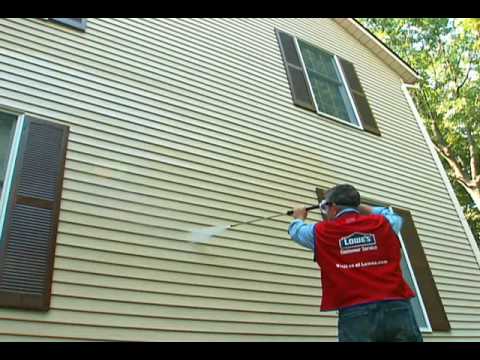
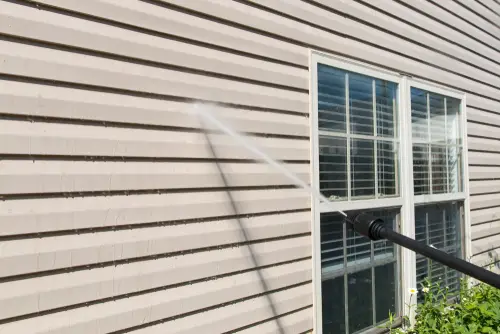
- Keep the spray 2–3 feet from the siding and at a 45° angle.
-
Apply cleaner
- Apply detergent with a low-pressure sprayer or the washer’s soap setting.
- Let the solution dwell 5–10 minutes but do not dry on the surface.
-
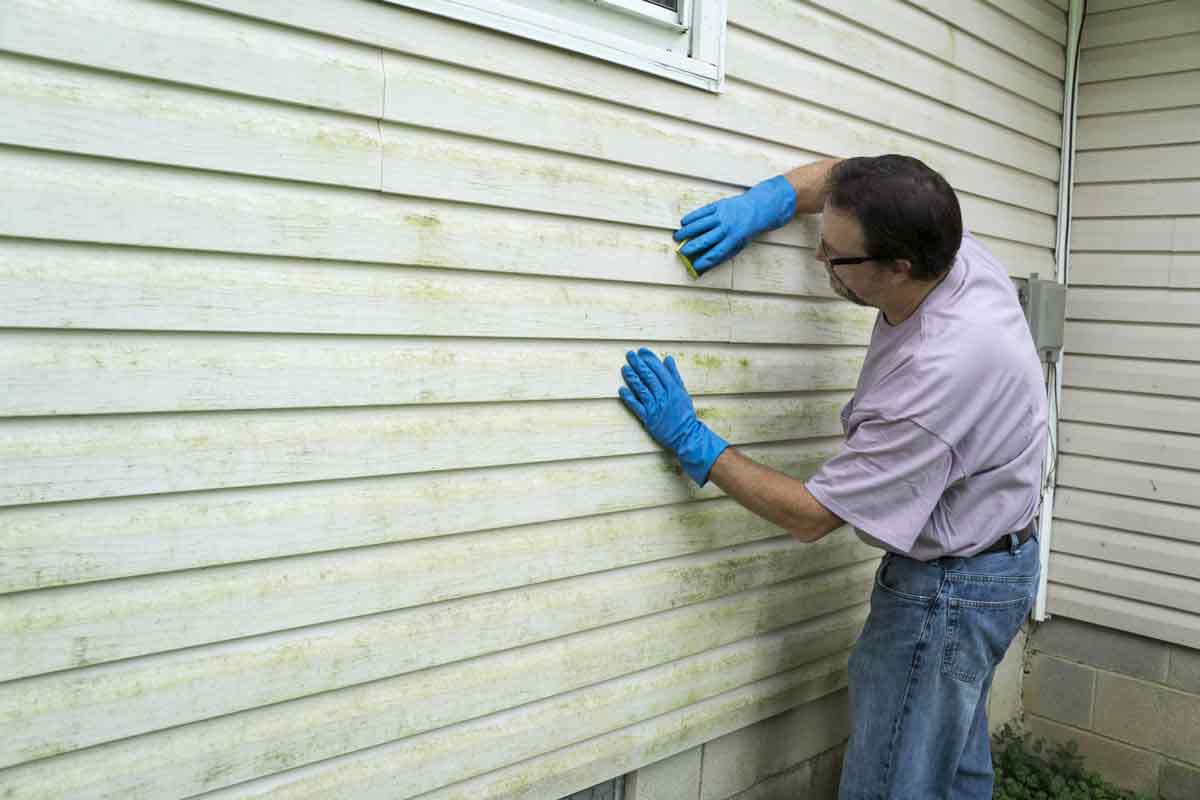
Agitate stubborn spots
- Use a soft brush on a telescoping pole for mildew or stains.
- Avoid scrubbing hard. Too much force can gouge vinyl.
-
Rinse thoroughly
- Rinse top to bottom at a steady pace.
- Maintain a 2–3 foot distance and a 45° angle. Overlap passes slightly.
-
Inspect and touch up
- Check seals, caulk, and trim. Repair as needed.
- If streaks remain, repeat a gentle wash or spot-treat.
Key tips from my projects: always start with the lowest pressure that cleans well. For fragile trim or older siding, soft wash (low pressure plus detergent) is safer than high-pressure rinsing.

Safety tips and common mistakes to avoid
Safety prevents damage to the house and injuries to you.
- Never use a pressure washer above 1500 PSI on vinyl. Higher PSI can warp panels.
- Avoid zero-degree nozzles. They concentrate force and can punch holes.
- Keep the nozzle at least 24 inches away. Closer distance increases risk.
- Don’t spray directly at windows, vents, or electrical fixtures.
- Use ladder stabilizers and have a helper hold ladders. Avoid overreaching.
- Don’t mix household ammonia with bleach. That creates toxic fumes.
A mistake I made early on was trusting an old nozzle. It created a narrow spray pattern that damaged trim. Replace worn tips and test spray patterns before use.
Maintenance and prevention after washing
After washing, small tasks keep siding protected longer.
- Re-caulk gaps and seal trim to prevent water intrusion.
- Trim back plants to reduce mold risk.
- Clean gutters and downspouts to avoid overflow streaks.
- Consider applying a vinyl-safe protectant if you want extra resistance to dirt and UV.
Routine checks every few months help spot issues early. In my work, homeowners who do small upkeep avoid costly siding replacement later.

Troubleshooting common problems
Here’s how to fix typical issues you might run into.
- Warped or melted vinyl: This is often from excessive pressure or hot washer water. Stop use and replace warped panels.
- Streaks after rinsing: Rinse again with fresh water and avoid washing in direct sun. Use a milder detergent on the next pass.
- Persistent mold: Use an oxygen-bleach mix and let it dwell longer. For heavy infestations, repeat treatments may be needed.
- Soap residue: Rinse thoroughly and use a soft brush on remaining spots.
If a problem persists, consult a siding pro. I’ve learned not to force repairs that risk more damage.
Frequently Asked Questions of how to power wash vinyl siding
What pressure should I use to wash vinyl siding?
Use 500–1500 PSI for most vinyl siding jobs. Start low and increase only if needed.
Can I use household bleach to clean vinyl siding?
Yes, diluted bleach works for mold and mildew but rinse thoroughly. Protect plants and follow safety directions.
Will power washing remove paint from my vinyl?
High pressure or close spray can strip paint. Test a small area first and keep distance to protect surfaces.
Is a soft wash better than a pressure wash?
Soft wash uses low pressure with detergent and is gentler for older siding. Use soft wash for delicate areas or heavy mildew.
How do I prevent mold from returning?
Trim vegetation, keep gutters clear, and wash annually. Ensure siding dries quickly after rain and clean shaded areas more often.
Do I need a professional to power wash vinyl siding?
DIY is fine for many homeowners with the right gear and care. Hire a pro for tall homes, complex access, or severe buildup.
Can power washing void my siding warranty?
Some warranties restrict high-pressure cleaning or specific chemicals. Check your warranty before starting.
Conclusion
You can safely and effectively clean siding by following simple rules: use low pressure, the right cleaner, and maintain a steady distance. Test first, protect plants and fixtures, and inspect for damage after washing. My experience shows that careful prep and the right tools prevent damage and keep homes looking their best.
Take action this weekend: inspect your siding, gather the recommended tools, and plan a test wash. If you liked this guide, leave a comment, share your results, or subscribe for more home-care tips.