
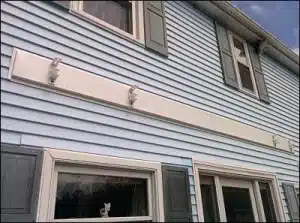
Install a wall-mount rail into studs, fasten siding brackets, and waterproof every fastener point.
I’ve installed and repaired dozens of awnings, and this guide walks you through how to attach an awning to vinyl siding the smart way. You’ll learn how to find studs, use the right brackets, protect your siding, and avoid common mistakes. Read on to get proven, step-by-step advice that saves time and prevents leaks.

Why attaching an awning to vinyl siding needs care
Vinyl siding is lightweight and flexible. That makes it easy to work with but risky if you mount heavy items directly to it. Learning how to attach an awning to vinyl siding means anchoring into the house structure, not the siding itself. Do the job right and the awning will be safe, weathertight, and long-lasting. Do it wrong and you risk siding damage, water intrusion, and loose hardware.

Key tools and materials for how to attach an awning to vinyl siding
- Tape measure: To mark heights and distances precisely.
- Stud finder: To locate studs behind the siding.
- Drill and bits: Use a drill with masonry and wood bits as needed.
- Siding mounting brackets or a wall-mount rail: Designed to transfer load to studs.
- Lag bolts or through-bolts sized for studs: For secure anchoring.
- Flashing and exterior-grade sealant: To prevent water entry.
- Shims and backing plates: To level the awning and spread load.
- Safety gear: Gloves, eye protection, ladder or scaffolding.
I always keep extra sealant and stainless-steel fasteners on hand. Quality fasteners and flashing can make the difference between a good install and constant repairs.
:no_upscale()/cdn.vox-cdn.com/uploads/chorus_asset/file/19511484/14_norm_advice.jpg)
Preparing the wall and siding before you attach an awning to vinyl siding
- Inspect the wall: Look for rot or damaged sheathing under the siding. Replace any bad sections before mounting.
- Locate and mark studs: Use a stud finder and probe to confirm stud centers. Studs are the only safe anchor points for load-bearing mounts.
- Remove siding where the rail or mounting bracket will sit: Slide the siding panel up or out to access the nailing flange and sheathing.
- Dry-fit the rail: Hold the rail or brackets in place and check for level and shim needs.
Preparing the wall carefully prevents surprises during the final attachment. If you find rot or no solid backing, pause and repair the substrate before proceeding.

Step-by-step: how to attach an awning to vinyl siding
-
Position the awning and mark anchor points.
- Place the awning or its mounting rail at the desired height.
- Mark stud centers and the exact bolt locations.
-
Remove siding where needed.
- Gently unhook or slide back panels above the rail area.
- Keep the siding intact to reuse it on finish.
-
Install a backing or mounting rail into studs.
- Fasten a ledger board or metal rail through the siding into the studs with lag bolts.
- Use backing plates if the awning has concentrated loads.
-
Add flashing behind the siding and over the rail.
- Insert a metal or vinyl flashing behind the siding above the rail to shed water.
- Flash the top edge to direct runoff away from the fasteners.
-
Attach siding brackets to the rail or ledger.
- Secure brackets to the rail per manufacturer torque specs.
- Check for level and align the awning arms.
-
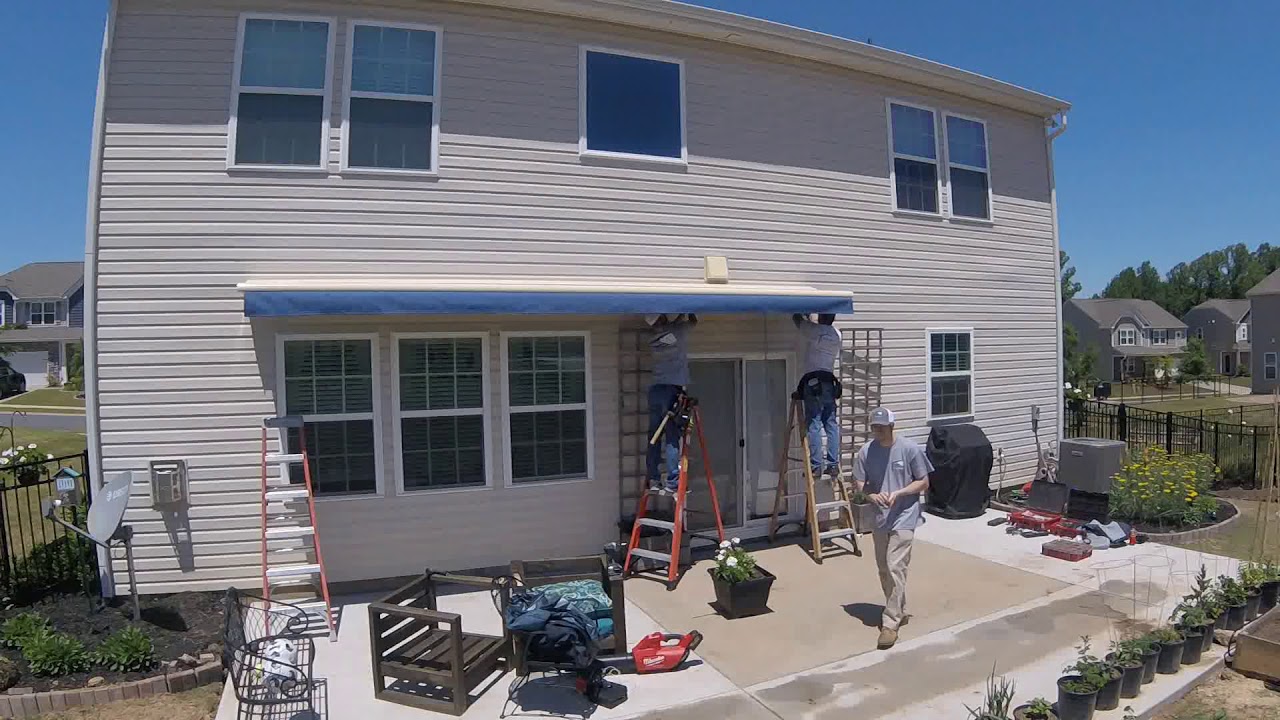
Mount the awning and secure all fasteners.
- Lift the awning into place and bolt to brackets.
- Tighten bolts evenly and use lock washers or threadlocker as recommended.
-
Seal all penetrations and re-seat siding.
- Apply exterior-grade sealant around bolt heads and flashing edges.
- Snap siding back into place over the flashing.
Following these steps for how to attach an awning to vinyl siding ensures the load goes to the studs and not the siding. If the awning is large or wind-prone, consider adding diagonal braces to distribute forces.

Waterproofing and sealing when you attach an awning to vinyl siding
- Use a continuous flashing above the rail to divert water.
- Apply a bead of polyurethane or silicone sealant around each fastener head.
- Backcut sealant joints where siding overlaps to allow drainage.
- Inspect and re-seal annually or after heavy storms.
Good waterproofing is as important as strong anchors. Water intrusion is the main long-term risk when you attach an awning to vinyl siding. Proper flashing, sealant, and periodic checks keep the wall dry and healthy.

Safety, wind loads, and building codes
- Check local building codes: Many municipalities require permits or wind-resistance ratings for fixed awnings.
- Consider wind loads: Use manufacturer wind ratings and add extra anchors if you live in a high-wind area.
- Use proper ladders and fall protection: Never risk a fall when mounting an awning.
- Call a pro for large installations: If the awning is wide, heavy, or above a public walkway, professional installation is safer and often required.
Following code and safety rules protects your home and keeps you legally compliant. I always verify permit needs before starting any installation.

Maintenance and troubleshooting after you attach an awning to vinyl siding
- Inspect fasteners and sealant every 12 months. Tighten or replace corroded bolts.
- Look for gaps in flashing and re-seal them. Small leaks worsen quickly.
- If siding buckles near the mount, check for thermal movement and add shims or replace fasteners with slotted options if needed.
- For sagging awnings, verify bracket alignment and reinforcement at the rail.
Routine checks keep your awning secure and prevent damage to siding and sheathing. My experience shows a yearly quick inspection saves major repairs.
Costs, materials choices, and choosing the right awning
- Material affects cost: Aluminum frames and acrylic fabrics cost more but last longer.
- Bracket style: Wall-mount rails with stud anchors cost more but are safer than mounting directly to siding.
- Professional vs. DIY: Small retractable awnings are DIY-friendly. Large fixed awnings often need pros.
- Budget for flashing and high-quality fasteners: Cheap fasteners or no flashing will cost more over time.
When deciding how to attach an awning to vinyl siding, aim for durable components. It costs a bit more upfront, but you avoid water damage and repeated fixes.
Personal tips and mistakes I learned the hard way
- Tip: Mark studs twice and probe with a thin screw to confirm. It avoids drilling into hollow space.
- Tip: Use stainless-steel fasteners near the coast to resist corrosion.
- Mistake I made: Skipping backing and fastening only through siding. That led to loose brackets and damaged panels.
- Practical tip: Keep a small pry bar and siding clips to re-seat panels neatly after flashing.
These are real-world lessons from years of installs. Small prep moves save days of rework later.
Quick PAA-style questions
What is the main rule when you attach an awning to vinyl siding?
- Anchor into studs or blocking. Do not rely on siding alone for load support.
Can I mount an awning directly to vinyl siding clips?
- No. Clips hold siding, not structural loads. Use a rail or ledger that reaches studs.
How long does sealing last after installation?
- Good sealant and flashing can last several years, but check seals yearly and after storms.
Frequently Asked Questions of how to attach an awning to vinyl siding
Do I need to remove the siding to install an awning?
You usually need to lift or remove the top edge of the siding where the rail sits. This lets you install flashing and fasten into studs.
Can I use toggle anchors or molly bolts in vinyl siding?
Toggle anchors in hollow areas are not recommended for awnings. Use lag bolts into studs or engineered backing plates for load-bearing support.
How do I prevent leaks after installing an awning?
Install continuous flashing above the rail, apply high-quality exterior sealant around penetrations, and check seals regularly.
Will the awning void my siding warranty?
Some siding warranties can be affected by penetrations. Check your warranty and follow manufacturer mounting recommendations before installation.
Is a professional installer necessary?
For small retractable awnings you can DIY if you’re comfortable. For large fixed awnings or when permits are required, a pro is advised.
Final thoughts
Attaching an awning to vinyl siding is a task that rewards careful planning. Anchor into studs, add good flashing, and seal every penetration. Small steps before you drill—inspecting the wall, choosing the right rail, and using quality fasteners—prevent big problems later. Take what you’ve learned here and apply it to your project. If you’re unsure, consult a contractor or local building authority, and if this guide helped, leave a comment or subscribe for more practical home-improvement advice.