
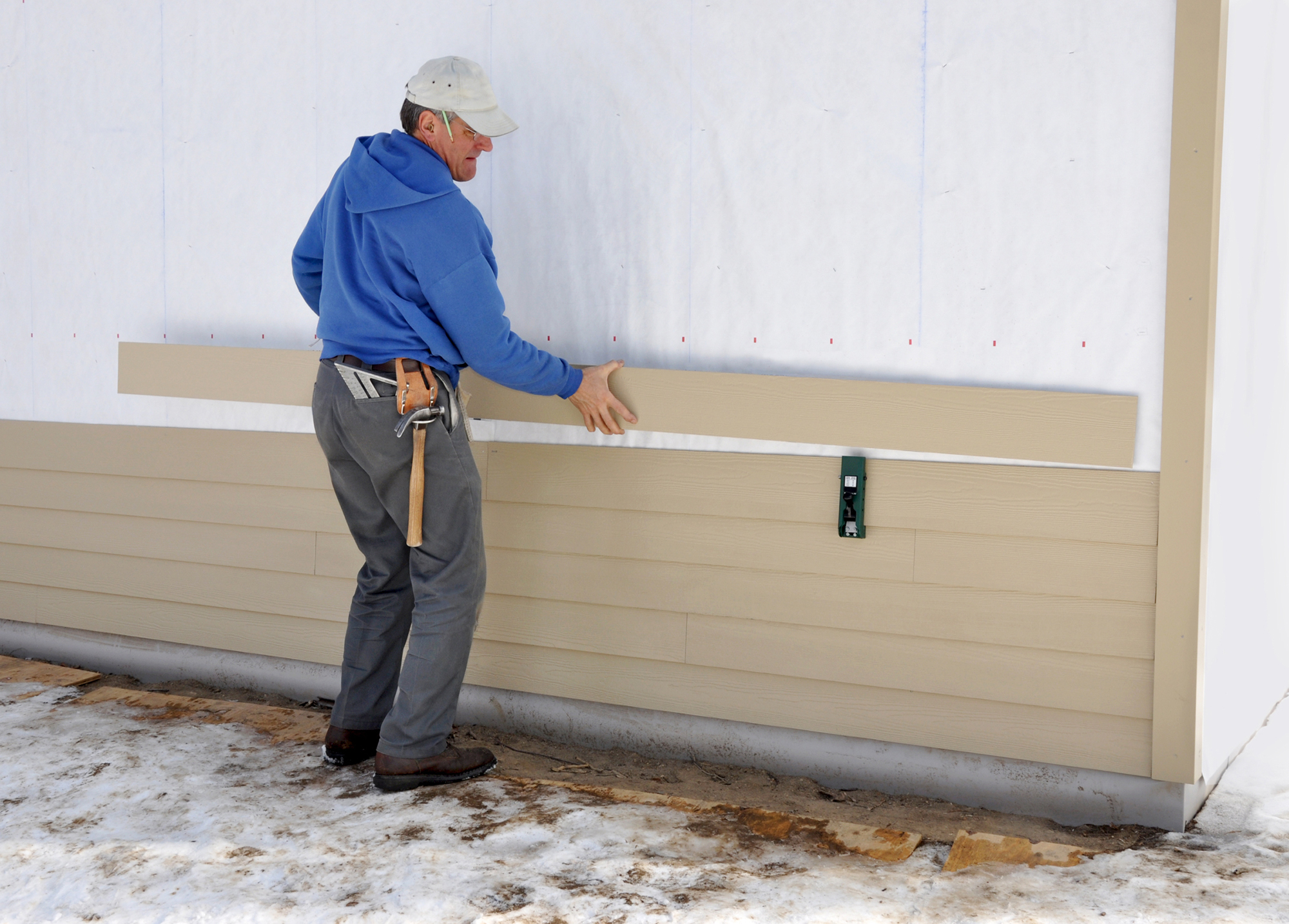
Replace siding on a house by removing old panels, fixing the wall, and installing new siding correctly.
I have replaced siding on several homes and helped homeowners plan, budget, and finish projects that last. This guide walks you through how to replace siding on a house step by step. I explain materials, tools, safety, and common mistakes in plain language. Read on for a reliable, practical plan you can use whether you hire pros or do it yourself.
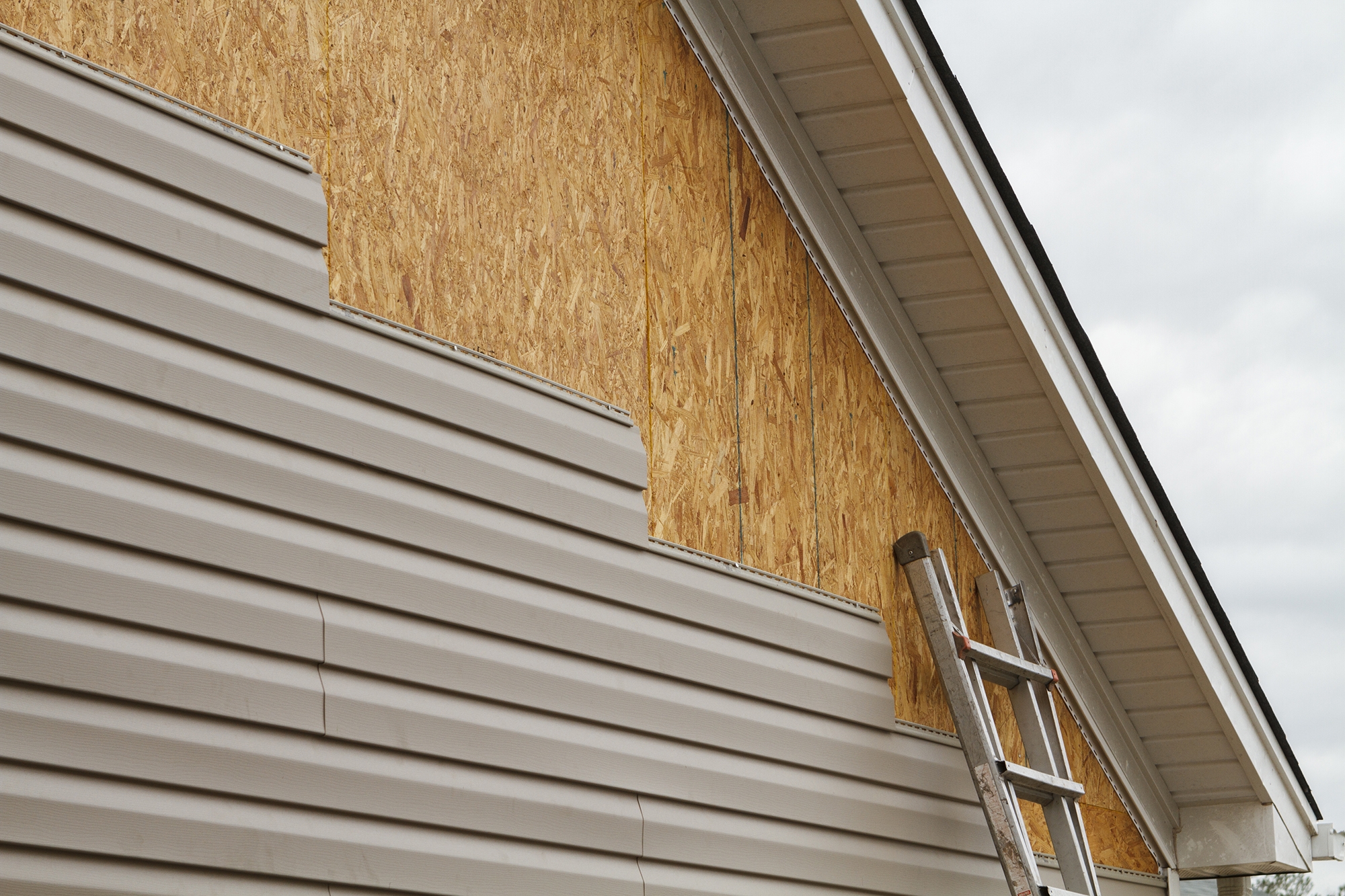
Why and when to replace siding
Siding wears from weather, pests, and age. Cracks, rot, warping, or large gaps mean it may be time to replace siding on a house. Energy loss and mold are also signs to act.
Replacing siding improves curb appeal, weather protection, and home value. If you see water stains or soft spots under the siding, start planning a replacement soon.
How to prepare: planning, permits, and cost estimates
Start with inspection. Check for rot, mold, and damaged sheathing. Take photos and measure wall areas. Get at least three quotes if you plan to hire a contractor.
Find local permit rules. Some towns require permits for siding replacement. Factor in disposal costs, trim work, and new flashing. Typical costs vary by material: vinyl is often cheaper, fiber cement costs more. Expect labor and material costs to differ by region.
I once underestimated waste removal fees. I recommend a contingency of 10 to 20 percent in your budget.
Tools and materials needed
Tools
- Tape measure and level for precise cuts.
- Pry bar and hammer to remove old siding.
- Circular saw or tin snips for cutting new panels.
- Utility knife for trim and vapor barrier work.
- Caulk gun and exterior caulk.
- Ladder or scaffold for safe access.
- Nail gun for faster installation.
Materials
- New siding panels (vinyl, fiber cement, wood, or metal).
- House wrap or vapor barrier.
- Flashing for windows, doors, and corners.
- Starter strips and J-channel for edges.
- Trim boards and corner posts.
- Exterior nails or screws rated for siding.
Choose materials that match your climate and budget. I prefer fiber cement in rainy areas and vinyl where low maintenance is key.

Step-by-step: How to replace siding on a house
Follow these steps to replace siding on a house safely and well.
-
Protect the site
- Move plants and cover decks. Lay drop cloths. Turn off exterior power where needed.
-
Remove trim and fixtures
- Take off shutters, lights, and trim. Label them for reinstallation.
-
Remove old siding
- Use a pry bar and work from top down. Remove nails and old flashing. Inspect the sheathing under the siding.
-
Inspect and repair sheathing and insulation
- Replace rotted sheathing. Add insulation if needed. Keep sheathing flat and solid.
-
Install house wrap and flashing
- Wrap walls with a weather-resistant barrier. Tape seams. Install flashing at windows, doors, and edges.
-
Install starter strips and starter course
- Set starter at the bottom. Make sure it is level for the first row to align correctly.
-
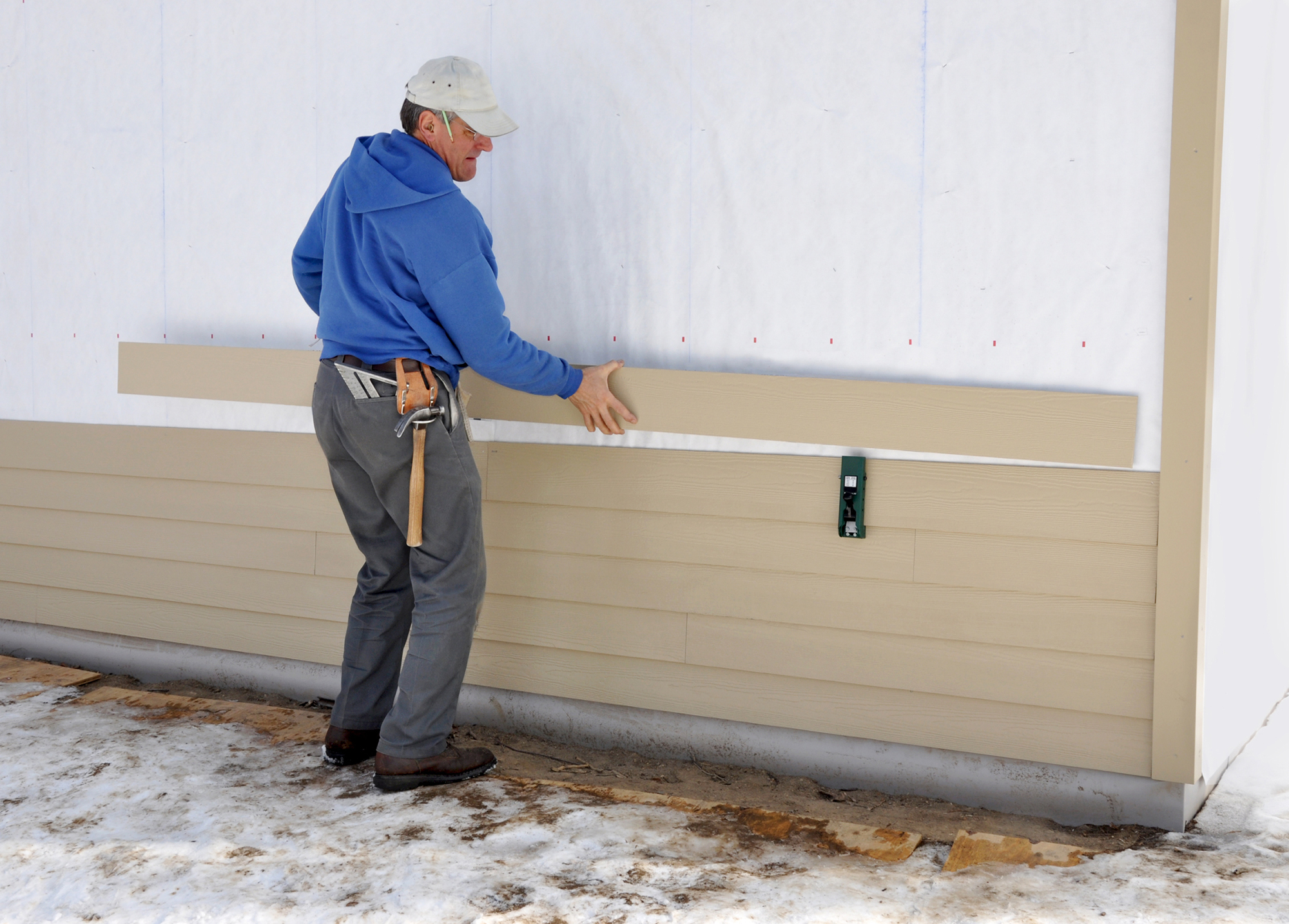
Hang new siding panels
- Work from bottom up. Leave proper expansion gap where recommended by the manufacturer. Fasten nails in the nail hem and do not overdrive.
-
Fit trim and corners
- Install corner posts, J-channel, and trim. Cut carefully to keep joints tight.
-
Seal and caulk
- Caulk joints around windows, doors, and trim. Use paintable exterior caulk if you will paint.
-
Clean up and final inspection
- Remove debris. Reinstall lights and shutters. Walk the perimeter and look for loose panels or gaps.
I always test a small area first. That helps me find fitting and flashing issues early. Doing the starter row properly saves time later.

Common mistakes to avoid
- Skipping the house wrap leads to leaks and mold.
- Driving nails too tight restricts siding movement and causes buckling.
- Ignoring flashing around openings causes leaks at windows and doors.
- Rushing cuts and corners makes gaps that water can use.
- Not checking local codes can lead to failed inspections.
I once nailed siding too tight on a windy day. Panels buckled and had to be redone. Take your time at key steps.

Finishing touches and trim
Trim work makes the job look finished. Paint or stain trim if required. Install drip edges and soffit vents if needed. Check for even gaps and straight lines.
Final caulk and a neat bead around windows finish the job. Add touch-up paint or manufacturer-approved finishes for best protection.
Maintenance after replacement
Inspect siding once a year. Clean vinyl or fiber cement with mild detergent. Replace cracked caulk and repair any small damage quickly. Good maintenance can extend siding life by decades.
If you notice loose sections after storms, resecure them quickly to avoid water entry.
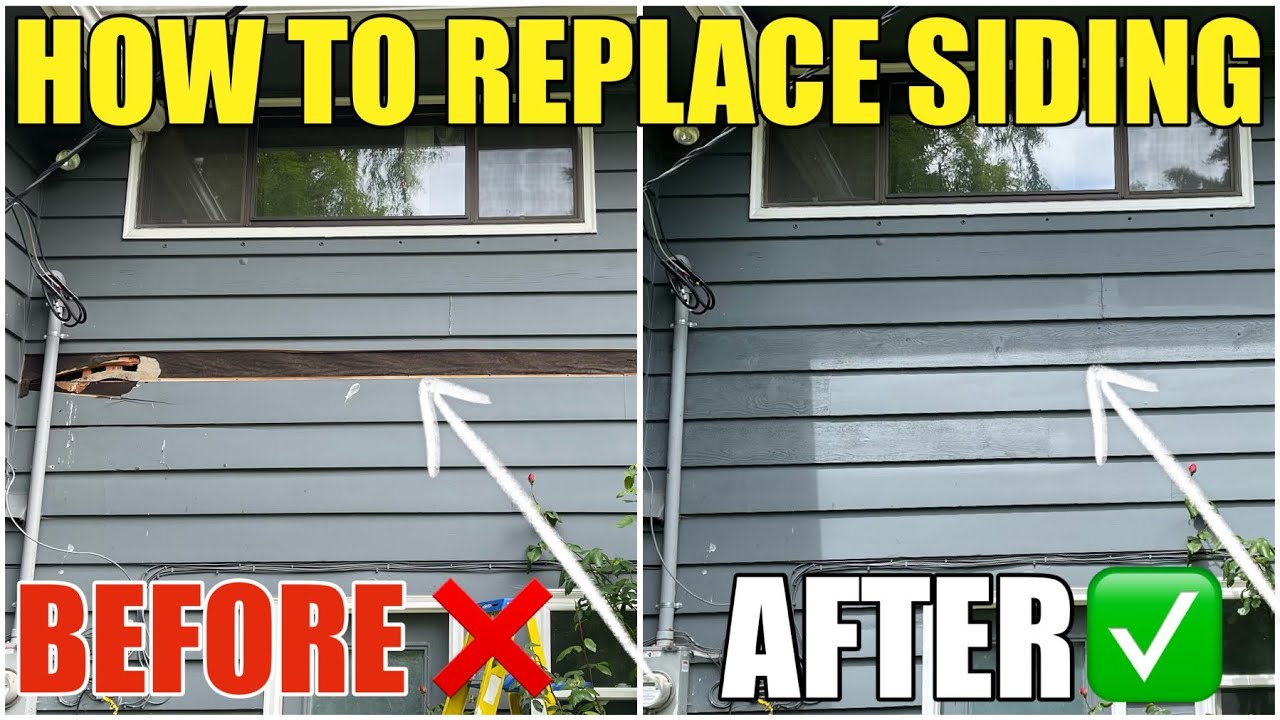
Frequently Asked Questions of how to replace siding on a house
How long does it take to replace siding on a house?
A small house can take a few days. A larger house typically takes one to two weeks, depending on weather, repairs, and crew size.
Can I replace siding myself or should I hire a pro?
You can replace siding yourself if you have basic carpentry skills and time. Hire a pro for complex details, tall homes, or when permits are required.
What is the best siding material for longevity?
Fiber cement and metal offer long life. Vinyl is low maintenance and cost-effective. Choose by climate, budget, and the look you want.
Do I need to replace insulation when I replace siding?
Not always. If your walls lack insulation or you plan to improve energy performance, add insulation when the siding is off.
How do I handle corners and windows when replacing siding?
Install proper flashing and corner posts. Fit siding into J-channel around windows and trim. Make sure there is a gap for expansion as the manufacturer recommends.
Conclusion
Replacing siding on a house protects your home and boosts its curb appeal. Plan carefully, inspect and repair the wall, use the right materials, and follow proper flashing and fastening techniques. Take time on the starter row, flashing, and trim to avoid common problems. If unsure, consult a pro for the tricky parts.
Take action: measure your walls, get quotes, or try a small section as a test. Share your experience or ask a question below to get tailored advice.